Signs of Storm Damage on Your Roof in Wake and Durham County
The Signs of Roof Storm Damage in Wake and Durham County, NC
If you live in Wake or Durham County, severe weather is a regular part of life. High winds, hail, heavy rain, and occasional tropical systems can all take a serious toll on your roof. The problem is that storm damage is not always obvious from the ground.
The most important thing homeowners need to know is this: storm damage can compromise your roof long before you see a leak. Identifying early warning signs allows you to address problems before they lead to structural damage, mold growth, or costly interior repairs.
At United Contracting, LLC, we specialize in storm restoration and insurance claims throughout Wake, Durham, Franklin, Johnston, and surrounding counties. Below, we outline the most common signs of roof storm damage and explain when it’s time to schedule a professional inspection.
Why Storm Damage Is Common in Central North Carolina
Homes in Wake and Durham counties experience a range of weather events that can weaken roofing systems over time.
Common causes of storm-related roof damage include:
- Thunderstorms with high wind gusts
- Hailstorms
- Tropical storm remnants
- Heavy rain events
- Falling tree limbs
- Wind-driven debris
Even if a storm only lasts 20 to 30 minutes, it can create hidden vulnerabilities in shingles, flashing, and underlayment.
Visible Signs of Roof Storm Damage
Some storm damage is easy to spot from the ground or during a safe visual inspection. These visible warning signs should never be ignored.
1. Missing or Lifted Shingles
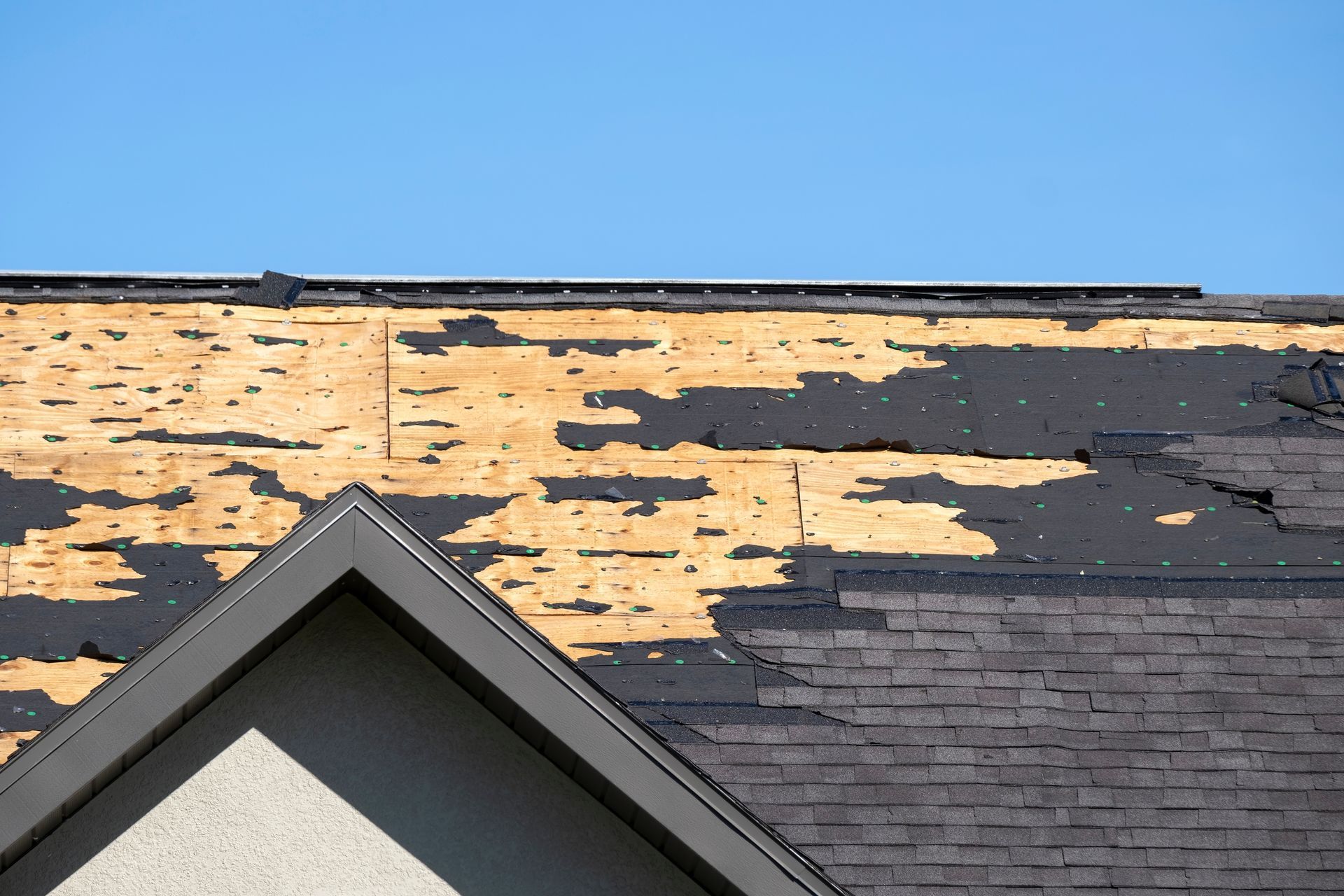
High winds can lift shingles and break the adhesive seal that holds them in place. You may notice:
- Bare patches on your roof
- Shingles lying in your yard
- Shingles that appear curled or out of alignment
Even a few missing shingles can expose the underlayment and decking to moisture.
2. Hail Impact Marks
Hail damage is not always dramatic, but it can significantly reduce your roof’s lifespan.
Look for:
- Dented metal flashing or vents
- Circular dark spots on shingles
- Granule loss in specific areas
- Soft spots when shingles are pressed
Hail damage often weakens shingles internally, even if cracks are not visible from the ground.
3. Granules in Gutters
Asphalt shingles are coated in protective granules. After a hailstorm or strong wind event, those granules may wash into your gutters.
Excessive granule buildup indicates:
- Accelerated shingle wear
- Reduced UV protection
- Compromised waterproofing
Granule loss shortens the life expectancy of your roof and increases vulnerability to leaks.
4. Damaged Flashing
Flashing protects vulnerable areas such as:
- Chimneys
- Skylights
- Roof valleys
- Vent pipes
Storms can loosen or bend flashing, creating entry points for water. Damaged flashing is one of the most common sources of post-storm leaks.
Interior Signs of Storm Damage
Not all roof damage is visible from outside. Some warning signs appear inside your home days or weeks after a storm.
1. Water Stains on Ceilings
Brown or yellow stains on ceilings often indicate a roof leak. These stains may grow over time if not addressed quickly.
2. Attic Moisture
After heavy storms, inspect your attic for:
- Damp insulation
- Water dripping from rafters
- Mold or mildew odors
- Visible daylight through the roof boards
Moisture in the attic is a strong indicator of roof system failure.
3. Sudden Increase in Energy Bills
If storm damage affects insulation or ventilation, your HVAC system may work harder to maintain temperature. This can lead to higher energy costs.
Hidden Damage After Wind Events
Wake and Durham counties frequently experience high wind gusts during thunderstorms. Even if shingles remain in place, wind can break the adhesive seal beneath them.
This creates “wind creasing,” where shingles:
- Develop subtle horizontal lines
- Lose their ability to reseal
- Become more prone to future blow-offs
Wind creasing often requires professional evaluation, as it may not be obvious without climbing onto the roof.
How Storm Damage Affects Insurance Claims
Many homeowners don’t realize that insurance claims often require documentation of storm damage within a specific timeframe.
If damage is not identified quickly:
- Insurance coverage may be denied
- Claims may be reduced
- Additional interior damage may not be covered
United Contracting specializes in assisting homeowners with insurance claims. We provide detailed documentation, meet with adjusters, and ensure repairs meet policy standards.
When Should You Schedule a Roof Inspection?
You should schedule a professional inspection if:
- Your area recently experienced hail or strong winds
- Neighbors are replacing roofs due to storm damage
- Your roof is more than 10–15 years old
- You notice any signs listed above
- You plan to file an insurance claim
In many cases, damage is not visible from the ground. A professional inspection can identify issues early and prevent further deterioration.
The Risks of Ignoring Storm Damage
Delaying repairs after storm damage can lead to:
- Structural wood rot
- Mold growth
- Interior drywall damage
- Electrical hazards
- Increased repair costs
Small issues rarely remain small. Addressing storm damage promptly protects both your home and your investment.
Storm Restoration Services in Wake and Durham County
United Contracting provides comprehensive storm restoration services, including:
- Residential roof replacement
- Commercial roofing repair
- Emergency tarping
- Gutter replacement
- Siding repair
- Insurance claim support
As a family-owned and operated company based near Louisburg, NC, we understand the local weather patterns and building codes that affect homes throughout Wake, Durham, Franklin, Johnston, and surrounding counties.
Frequently Asked Questions
How soon after a storm should I inspect my roof?
Ideally, within a few days. Even if no leaks are visible, early assessment helps prevent further damage.
Can hail damage a roof without causing leaks?
Yes. Hail can weaken shingles internally, reducing lifespan without immediate leaks.
Will homeowners' insurance cover storm damage?
Most policies cover wind and hail damage, minus your deductible. Coverage depends on policy details and documentation.
Is it safe to inspect my own roof?
Ground-level inspections are safe. Climbing onto a roof is not recommended without proper equipment and training.
Protect Your Home After Severe Weather
Storm damage can be subtle but serious. If your home has been exposed to high winds, hail, or heavy rain in Wake or Durham County, a professional inspection is the best way to protect your property.
United Contracting, LLC
Phone: (984) 363-7670
Email: kyle.h@unitedcontracting.llc
Website: https://unitedcontracting.llc
Business Hours:
Monday–Friday: 9 AM – 6 PM
Saturday: 10 AM – 6 PM
Sunday: Closed