
Premium Roofing Materials for Lasting Visual Appeal
Tile & Specialty Roofing in Louisburg for homeowners who want architectural detail and a roof system that outlasts standard materials by decades
United Contracting installs clay and concrete tile roofing systems for homes in Louisburg that demand both durability and visual distinction. You choose tile when you want a roof that resists heat, wind, and weather exposure while adding texture and color that complement traditional or Mediterranean architectural styles. The material lasts fifty years or more with minimal maintenance, but it requires skilled installation to ensure each tile sits securely and the underlayment beneath handles water that seeps through gaps between tiles.
Clay tiles form from natural clay fired at high temperatures, producing a dense, hard surface that does not fade or warp under sunlight. Concrete tiles mix cement, sand, and pigment into molded shapes that mimic clay or slate profiles at a lower cost. Both types interlock along edges and rely on battens or hooks to anchor them to the roof deck without cracking. The system includes a high-grade underlayment that acts as the primary waterproof layer, because tile roofs breathe and allow some airflow between the tiles and the deck.
If your home design calls for a premium roof that adds character and performs for generations, schedule a consultation to discuss tile options, structural requirements, and design feasibility for your property.
Installation Requirements and What You Notice After
Your consultation begins with a structural assessment to confirm that your roof framing can support the additional weight of tile, which ranges from eight to twelve pounds per square foot depending on the profile. United Contracting reinforces rafters if necessary, installs underlayment rated for tile applications, and lays battens or clips that hold each tile in place without drilling through its surface. Ridge tiles cap the peak and hip lines, and flashing details around chimneys and valleys prevent water from entering at transition points.
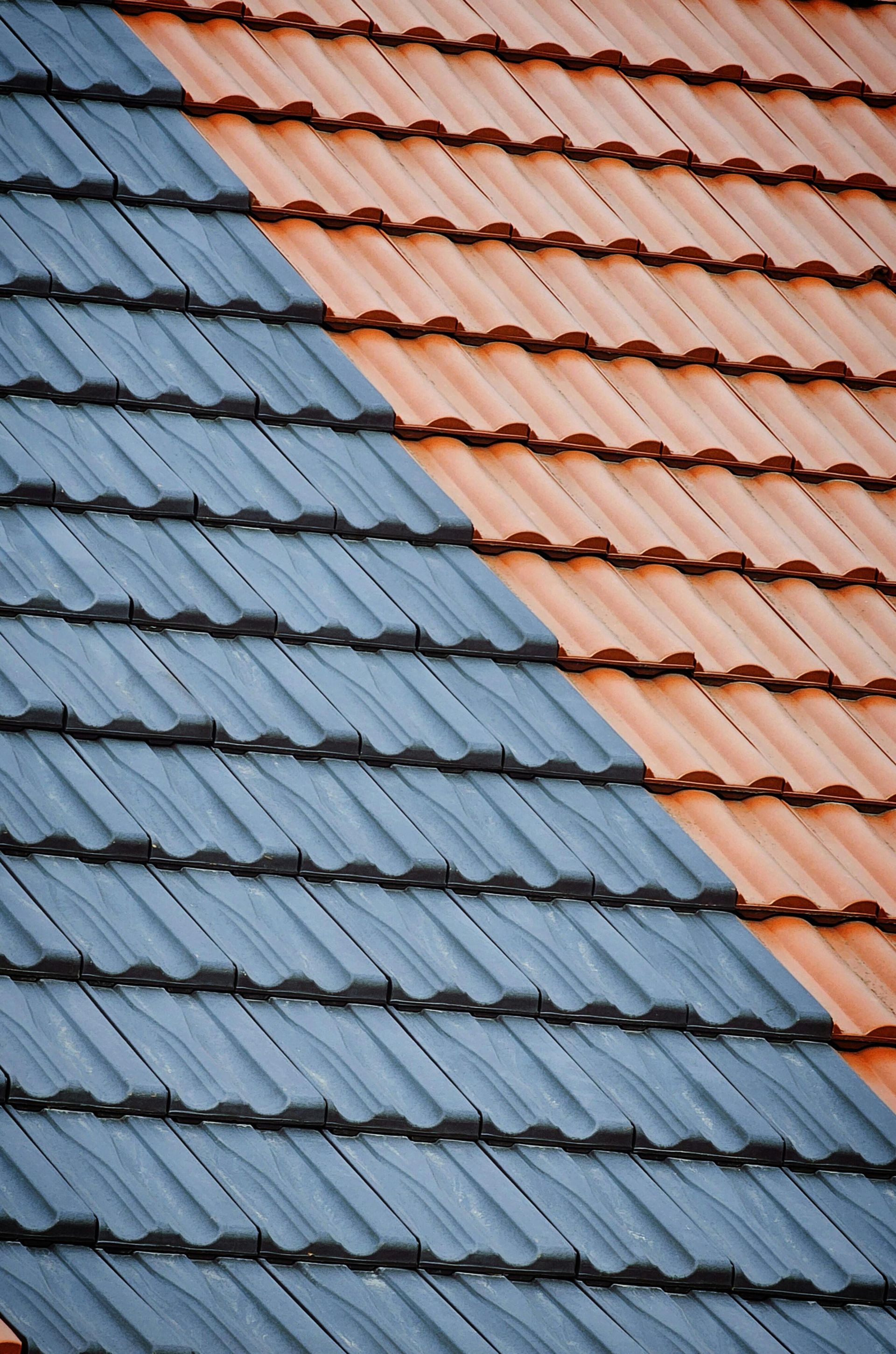
After installation, you will see uniform rows of shaped tiles that cast shadows and add depth to the roof plane, and the home's exterior takes on a refined, finished appearance that stands out in the neighborhood. Tile roofs resist heat buildup better than asphalt, keeping attic temperatures lower during summer and reducing cooling costs. The material does not rot, does not support moss or algae growth, and holds up against hail and wind without chipping or lifting.
Most tile roofing projects take one to two weeks depending on roof complexity and the need for structural reinforcement. The service does not include decorative trim or gutter upgrades unless those items are added separately, and it assumes the home's existing foundation and walls can carry the increased roof load without settling.
What Homeowners Want to Know About Tile Roofs
Property owners in Louisburg often ask whether tile works on all roof pitches, how much weight the structure must support, and what happens if a tile breaks.
What roof pitch works best for clay or concrete tile in this region?
Tile performs well on slopes of four-in-twelve or steeper, where gravity helps water run off the surface and prevents pooling behind individual tiles that could freeze and crack.
How do you determine if your home's framing can handle the weight of tile?
A structural evaluation measures rafter spacing, checks for sagging or rot, and calculates whether the existing framing meets load requirements, or whether additional support beams are needed before installation begins.
What happens when a single tile cracks or breaks years after installation?
You replace the damaged tile by lifting the ones above it, sliding out the broken piece, and hooking a new tile into place without disturbing the surrounding rows or the underlayment beneath.
Why does tile roofing cost more upfront than asphalt or metal?
The material itself weighs more and requires specialized installation skills, and many projects include structural reinforcement to meet load requirements, all of which add to labor and material costs.
When does a tile roof make sense as a long-term investment in Louisburg?
If you plan to stay in the home for twenty years or more and value architectural detail, the extended lifespan and low maintenance needs justify the higher initial cost compared to shingle systems that need replacement every two decades.
United Contracting works with suppliers who provide tiles that match regional architectural styles and meet wind and impact ratings for North Carolina. If your home design calls for a premium tile roof, request a consultation on design, feasibility, and structural considerations for your property in Louisburg.